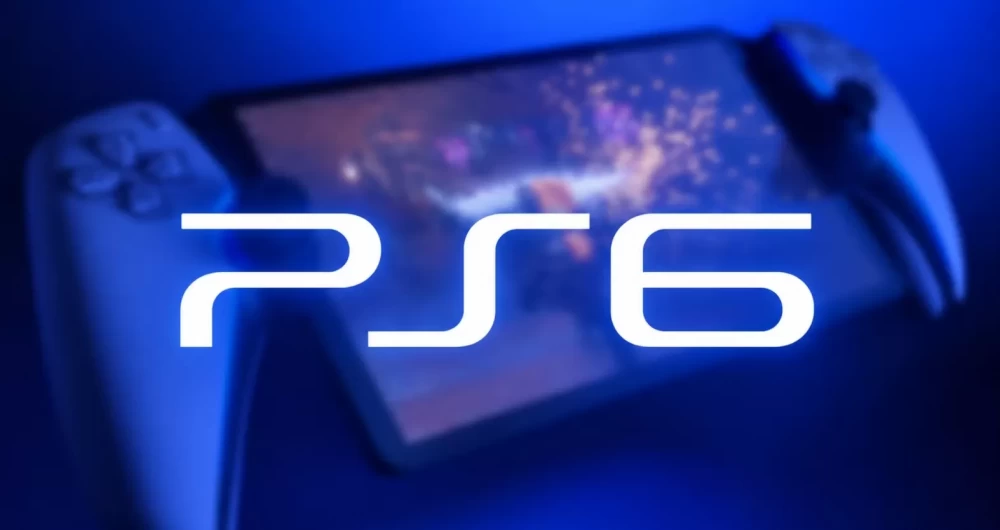
Sony’s rumored PS6 handheld could gain a significant technological advantage over competing portable gaming systems, according to new reports suggesting that the company may secure special access to AMD’s next-generation graphics technology. If the rumor proves accurate, the device could benefit from RDNA 5, potentially giving Sony an edge in graphics performance and power efficiency.
Sony has yet to officially confirm that it is developing a dedicated next-generation handheld. However, if the device eventually reaches the market, it could mark an important return to portable gaming hardware capable of running modern games locally rather than relying entirely on streaming from another console.
Sony Could Gain an Advantage Through RDNA 5
The latest rumor comes from Richard Leadbetter of Digital Foundry. During a Patreon-exclusive episode of DF Direct, Leadbetter reportedly discussed Sony’s potential efforts to secure “an exclusive of sorts on RDNA 5 for handheld” for its upcoming portable device.
That wording is important. It does not necessarily mean Sony has negotiated an agreement preventing other manufacturers from using AMD’s graphics architecture. A more practical explanation is that AMD may be reluctant to dedicate resources to custom chips for handheld devices unless manufacturers can guarantee sufficiently large orders.
Developing a bespoke processor requires considerable engineering resources, time, and financial investment. For manufacturers ordering relatively small quantities, the cost of developing a custom chip may be difficult to justify. Sony, however, could potentially place orders large enough to make such a project commercially viable for AMD.
Consequently, the rumored exclusivity might not involve a formal agreement restricting competitors. Instead, Sony could simply be among the few manufacturers willing and able to invest in a custom RDNA 5 solution and produce it at a sufficient scale.
If that scenario becomes reality, the PS6 handheld could receive a dedicated RDNA 5-based graphics processor before comparable solutions become widely available in competing portable systems. That could give Sony a technological head start during the early stages of the next console generation.
For now, however, this remains unconfirmed speculation. Neither Sony nor AMD has announced such an agreement, and the specifications of the rumored handheld are still unknown.
Why RDNA 5 Could Matter for a Portable Console
Adopting a newer graphics architecture could be particularly beneficial for a handheld gaming system. Unlike home consoles and powerful gaming PCs, portable devices must operate within strict limits on power consumption, heat generation, and battery life.
As a result, peak graphics performance is only part of the equation. Equally important is how efficiently a device can deliver a particular level of visual quality and maintain a stable frame rate.
A more efficient graphics processor could potentially run demanding games while consuming less power. That could improve performance and extend battery life, while lower heat output might also simplify cooling and reduce the need for aggressive performance restrictions.
Potential improvements in ray tracing and AI-assisted rendering could provide additional benefits. These technologies are particularly interesting for handheld hardware because they may help developers achieve better visuals without placing an excessive burden on the graphics processor.
For example, a portable console could render a game at a lower internal resolution and then reconstruct a sharper final image using advanced upscaling techniques. If implemented effectively, this approach could reduce the computational workload while maintaining a high level of image quality.
However, it is too early to determine which specific RDNA 5 features, if any, would be included in the rumored PS6 handheld. Even if the device uses the architecture, its actual capabilities will depend on the custom chip design, available power, cooling solution, and software optimization.
Sony and AMD Are Already Working on Future PlayStation Technology
The possibility of closer collaboration between Sony and AMD is not particularly surprising. The two companies are already working together on machine-learning graphics technology for future PlayStation hardware.
Machine-learning techniques could help improve image quality and rendering performance without requiring a proportional increase in computational power. That would make them especially useful in a handheld system, where developers must balance visual fidelity against a limited power budget.
Nevertheless, the existing Sony-AMD partnership does not confirm the reported RDNA 5 exclusivity. It is also unclear whether a future handheld would use the architecture in a form similar to other next-generation devices or feature a substantially modified design tailored specifically to Sony’s hardware.
For that reason, the potential benefits of RDNA 5 should be treated as possibilities rather than confirmed specifications.
Could the PS6 Handheld Outperform Its Rivals?
If Sony launches a portable console equipped with a modern custom AMD processor, the device could become a serious competitor in the handheld gaming market. However, a newer graphics architecture alone would not guarantee that it outperforms every rival.
Much will depend on the complete hardware configuration, retail price, battery capacity, cooling system, and game optimization. Sony’s integration of the device with its existing gaming ecosystem could also play an important role in determining its appeal.
There are still fundamental questions about the rumored console. Sony has not revealed when it might announce the device or how it would fit alongside the home PS6. It also remains unclear whether the handheld would be capable of running PS5 games and future PlayStation releases locally.
Even so, the possibility of a custom RDNA 5-based graphics solution makes the rumor worth watching. If AMD does develop such a chip for Sony, the portable PS6 could potentially combine strong graphics performance with improved power efficiency, giving it a distinctive position among next-generation handheld gaming devices.
For now, Sony has not officially announced the PS6 handheld, and reports of special access to RDNA 5 remain unverified. Until the companies reveal confirmed specifications, any claims that the device will outperform its competitors should be treated cautiously.
Comments