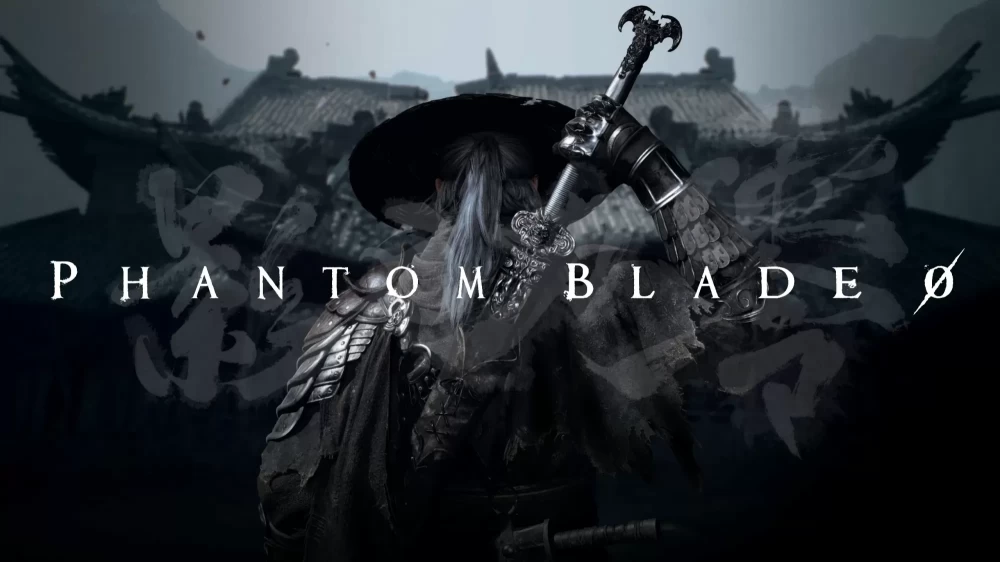
When Phantom Blade Zero was first revealed at the May 2023 PlayStation Showcase, it immediately caught the attention of action game fans. However, the impressive visuals also raised an important question: could S-Game, a Chinese studio previously known for smaller indie and mobile projects, really deliver a game capable of competing with major AAA productions? The lengthy silence after the announcement did little to ease those doubts, leaving some players wondering whether Phantom Blade Zero was more than an impressive trailer.
That skepticism began to fade in 2024, when S-Game founder Soulframe Liang and his team presented the first public hands-on demo. Despite focusing on only a limited portion of the experience, the demo demonstrated that Phantom Blade Zero was a fully realized action game with the potential to rank among the generation's best. Its combat immediately stood out, offering something noticeably different from the usual action RPG formula.
The gamescom 2025 demo offered another important look at the project, revealing more about traversal and exploration while showcasing the studio's exceptional animation work. By that point, I had few doubts about the game's potential. The remaining question was whether S-Game could maintain that quality throughout the entire adventure.
After spending more than 30 hours alongside Soul on his 66-day quest to save his life, I can finally answer that question. Phantom Blade Zero is one of the best action RPGs of the generation and a genuine Game of the Year 2026 contender, even if a few shortcomings prevent the experience from being completely flawless.
The Price of Betrayal
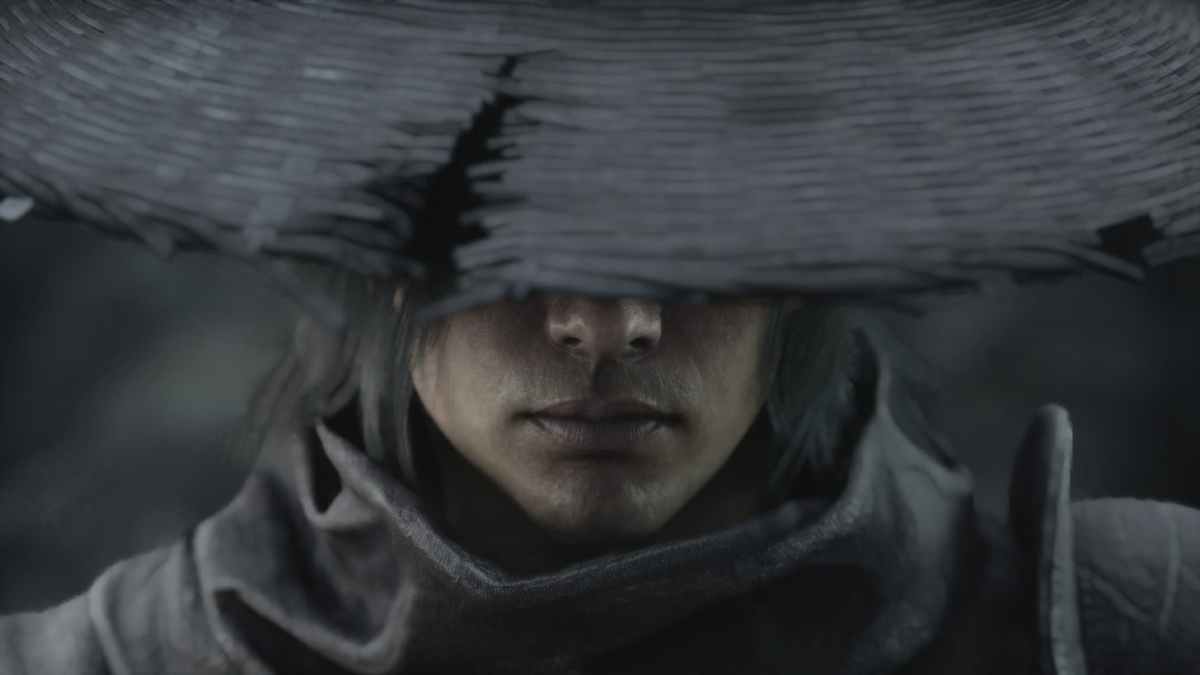
Set in the same universe as Rainblood: Town of Death, an indie RPG originally created using RPG Maker, Phantom Blade Zero brings back its protagonist, Soul, an assassin belonging to the Order. The adventure takes place in the Wulin, China's legendary martial underworld, where powerful warriors build their reputations and where even the greatest figures can fall from grace.
Soul's own fate takes a disastrous turn when the people he trusts betray him. After becoming a respected member of the Order, he is framed for the murder of its leader, the person who raised and cared for him from an early age. His childhood blood brother, Zuo Shang, confronts him in battle and defeats him with a fatal stab to the heart.
Soul's story should end there, but a mysterious healer known as the Flesh Sculptor brings him back to life. The procedure comes with a terrible price: the new heart inside Soul's chest will stop beating in just 66 days.
Unwilling to accept his fate, Soul sets out across the Wulin to find a cure. His journey forces him to confront the Order's enemies, the people responsible for his betrayal, and those he cares about most. To protect them, he must also carry the burden of an assassination he never committed.
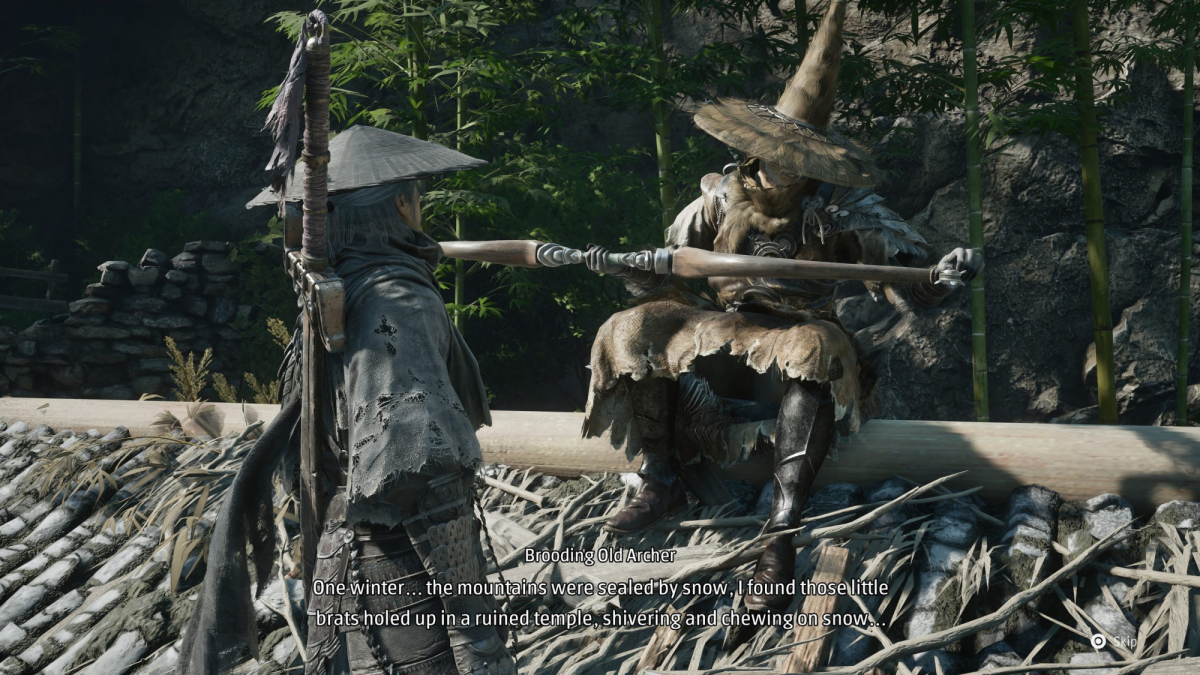
Phantom Blade Zero embraces its Wuxia roots without hesitation. The story includes mysterious martial arts masters, shifting loyalties, elaborate betrayals, hidden truths, and a revenge-driven protagonist. These familiar ingredients are combined with steampunk technology, creating the distinctive aesthetic S-Game describes as "Kung Fu Punk."
The narrative is not without its problems, however. The game introduces an overwhelming amount of terminology almost immediately, making its world and political relationships difficult to understand during the opening hours. Things become clearer as the adventure progresses, but the initial information overload can be frustrating. The frequent transitions between past and present also interrupt the flow of the story, while Soul himself could have benefited from more character development.
Soul is not entirely a blank slate. His reactions to important events and the flashbacks that explore his past provide glimpses of his personality. Nevertheless, a deeper exploration of his motivations and emotions would have made the protagonist more compelling.
The supporting cast fares somewhat better. Although most characters do not undergo particularly substantial development, their tragic circumstances help establish an emotional connection to Soul and the Wulin. They give the central conflict enough personal weight to keep the narrative engaging.
Ultimately, the story works well enough to support the adventure, and the combination of Wuxia traditions and steampunk influences makes the setting particularly appealing. It may not deliver the storytelling depth some players expect, but its world is interesting enough to encourage further exploration. Fortunately, where expectations were highest, the gameplay delivers in spectacular fashion.
A Grueling Journey
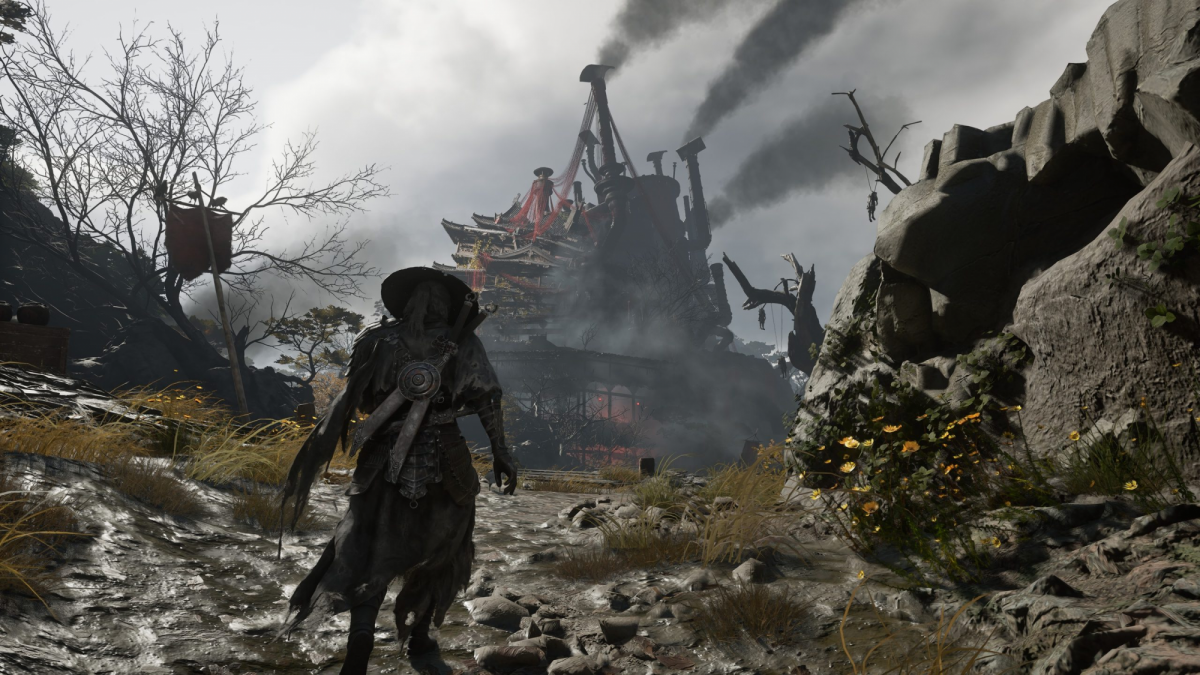
Despite its stamina-inspired combat, interconnected-looking environments, and checkpoint system, Phantom Blade Zero is not a soulslike. S-Game borrows a handful of familiar ideas from FromSoftware's games, but the overall experience has a different identity.
The game features carefully designed maps, bonfire-like checkpoints, and a universal currency used to unlock abilities, purchase items, and upgrade equipment. Crucially, this currency is not lost upon defeat. Beyond these familiar elements, the game follows its own direction. A more useful comparison is CAPCOM's Onimusha: Way of the Sword, although the two games differ significantly in both traversal and combat.
Combat might be the main attraction, but exploration plays an equally important role. Rather than adopting the increasingly common open-world structure, Phantom Blade Zero uses what I would describe as a "wide-linear" design.
Each map is a separate environment with a relatively direct route toward the main objective. However, these paths frequently branch into optional areas containing valuable discoveries. Players can find Remnant Dust, the game's primary currency, equipment upgrade materials, secret bosses, new medicines, and accessories. Exploring these areas can also reveal sidequests that offer additional rewards.
This structure is familiar to fans of action games, but Phantom Blade Zero makes exploration feel particularly natural. The game does not force players to investigate every corner. Instead, optional routes appear along the way to the next objective, encouraging curiosity without interrupting the main adventure.
The maps are not interconnected to the same extent as the original Dark Souls world. Most routes eventually guide Soul toward a specific destination, but the environments still feel substantial. Certain areas remain inaccessible until players acquire particular Phantom Edges, adding a small Metroidvania-inspired element to exploration.
What makes the level design especially effective is the balance between freedom and meaningful rewards. The game trusts players to discover secrets without constantly relying on waypoints, excessive instructions, or yellow paint marking every important surface. Outside a specific instance, the familiar visual guidance is largely absent.
At the same time, exploration has a tangible impact on character progression. Enemies do not respawn, resources are limited, and Soul's base stats increase only when players collect four parts of specific items. Searching optional areas is therefore more than a distraction: it can make a real difference to how well prepared you are for later encounters.
This approach also avoids a common problem in action RPGs. Games that tie character progression to exploration sometimes require players to revisit familiar locations repeatedly, turning otherwise interesting content into a chore. Phantom Blade Zero avoids that issue by keeping defeated enemies gone, ensuring that new encounters remain fresh opportunities to experience its excellent combat system.
The Dance of Swords
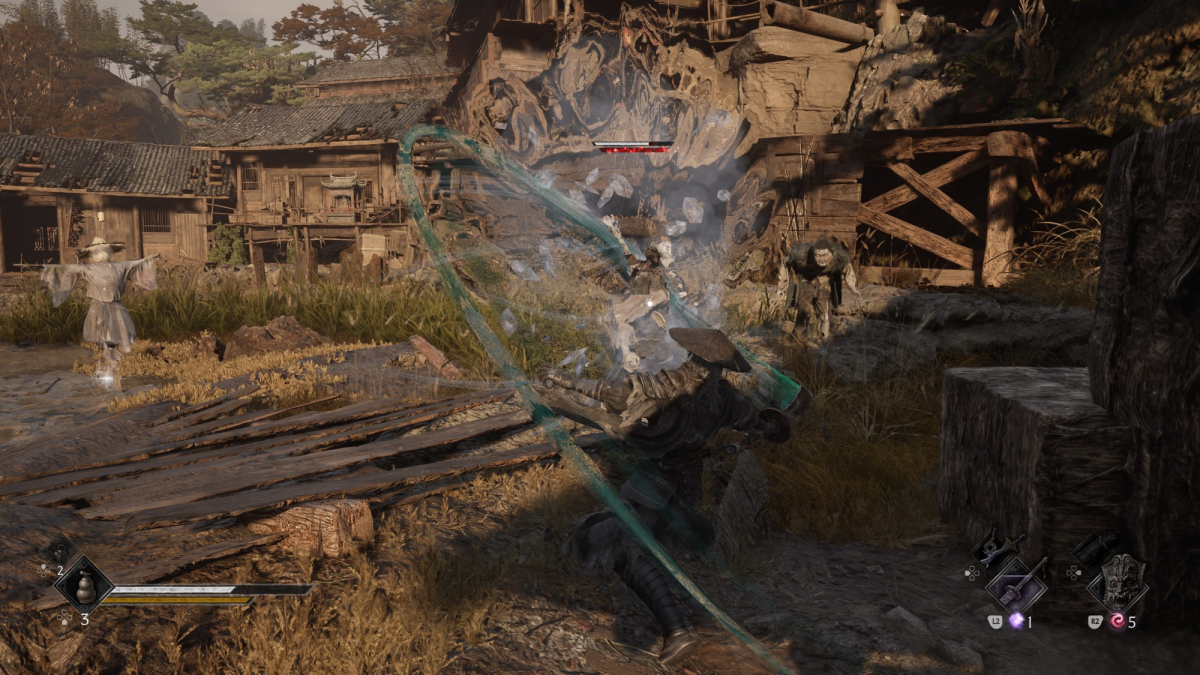
At first glance, Phantom Blade Zero looks like a conventional third-person action RPG built around stamina management, dodging, blocking, and parrying. Its combat becomes much more distinctive once you understand how these mechanics interact.
Soul's basic moveset is easy to grasp. He can perform light and heavy combo strings, dodge incoming attacks, block, and parry. Upgrading weapons unlocks additional techniques that help define each weapon's individual playstyle.
The combat system also includes Phantom Edges, special secondary weapons with a variety of functions. Depending on the weapon, Soul can destroy enemy shields, set opponents on fire, strike them to increase the power of his primary weapons, or summon allies to assist him.
The central mechanic tying these systems together is Sha-Chi. Calling it a traditional stamina bar would be misleading, as it serves both offensive and defensive purposes.
Holding the Guard button gradually consumes Sha-Chi while allowing Soul to block any attack that can be guarded, even when he is in the middle of an attack animation. The same resource powers heavy attack strings and special abilities for primary weapons.
This creates an engaging combat rhythm. Enemies do not simply stand still and absorb Soul's attacks; they can retaliate while he is attacking. Players must therefore pay attention to their offensive opportunities, defensive timing, and remaining resources simultaneously.
In some respects, Sha-Chi brings to mind the Drive Gauge from Street Fighter 6. Both systems encourage players to think carefully about how they spend a shared resource rather than treating offense and defense as completely separate activities.
Weapon swapping is another essential part of this design. In many action games, changing weapons during a fight is primarily a stylistic choice. In Phantom Blade Zero, it is a fundamental combat mechanic because switching weapons completely restores Sha-Chi.
This creates several tactical possibilities. You can keep attacking an enemy after depleting your current Sha-Chi, or switch weapons when you need to restore Soul's defensive capabilities in a dangerous situation. Weapon swapping is not just about variety; it is a way to manage the flow of battle.
It is difficult to convey just how satisfying the combat becomes once these mechanics click. The game rewards parrying, particularly during boss fights, without forcing players into a purely defensive playstyle. Aggression is equally effective, provided it is controlled rather than reckless.
Experimentation is also encouraged. The extensive weapon selection allows players to discover different approaches to combat, while the game's balance ensures that every weapon can remain viable throughout the adventure. Even the starting Wooden Sword can carry you through the game, especially after unlocking its unique just-press mechanic through upgrades.
In many ways, Phantom Blade Zero captures the spectacle and fluidity associated with Kung Fu as a martial art. Whereas Onimusha: Way of the Sword draws on Kendo and the idea that a single decisive strike can determine a battle, Phantom Blade Zero emphasizes continuous movement, flowing combinations, and fighters exchanging blows in an elaborate dance to the death.
The Right Tools for a Job Well Done
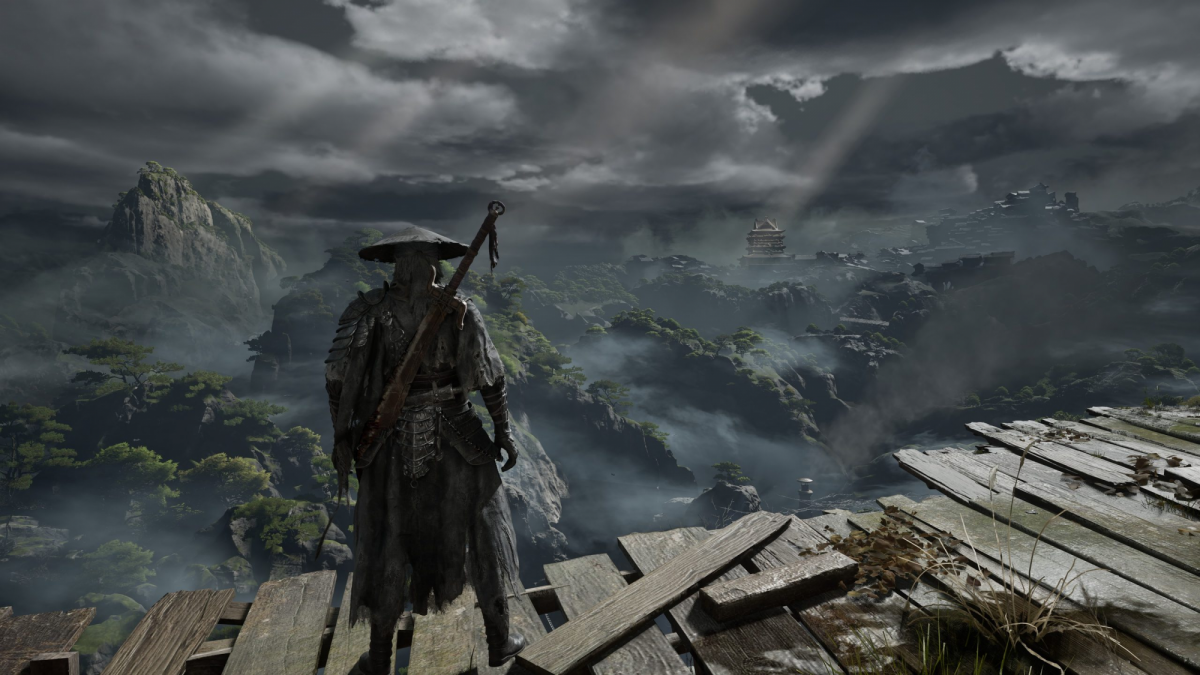
Describing the weapons in Phantom Blade Zero as merely having different attacks would significantly undersell S-Game's work. These weapons often feel like distinct combat archetypes, each encouraging a different approach to fighting.
Soul begins his journey with Sanguine weapons. Their movesets are relatively straightforward, prioritizing accessibility and familiarity over unusual mechanics. They provide a solid introduction to the combat system, but the variety becomes much more impressive as additional weapons are unlocked by defeating bosses.
Take the Fanatic's Broken Blade, for example. It features a built-in style switch that transforms an otherwise conventional one-handed sword into a ranged weapon when Soul becomes drunk. There are several ways to enter this state, making the weapon more versatile than it initially appears.
The Jagged Steel Sword takes a different approach, focusing on the Bleed status effect. It also grants access to an additional special attack that can extend light combo strings after an enemy's guard has been broken.
Then there is the Outlaw Warblade, which assigns different functions to its light and heavy combo strings. Light attacks restore HP with each hit, while heavy attacks deplete it. This introduces a risk-and-reward mechanic not found in the same form on other weapons. The weapon also features a retreating attack that allows players to transition smoothly between light and heavy combos.
The real strength of the primary weapon system lies in how these options complement one another. Fast dual-wield weapons such as the White Serpent and Crimson Viper build Sha-Chi Essence more quickly, making Power Surge easier to access. Every weapon has its own version of this special technique.
That synergy opens up additional strategies. With the Outlaw Warblade, for instance, Power Surge restores a substantial amount of HP when it hits enemies, allowing players to take greater risks. The same resource-building approach can also make it easier to trigger the drunken state required by the Fanatic's Broken Blade.
The possibilities expand further through weapon upgrades. In addition to increasing damage and guard-break capabilities, every five upgrade levels unlock a new trait that can substantially change how a weapon feels and performs.
Resetting a weapon's upgrades is also convenient, making it easy to experiment with different configurations. As a result, players have a strong incentive to test the entire arsenal, including weapons obtained later in the game, instead of settling on a single favorite.
Phantom Edges follow similar upgrade principles. They are used less frequently because activating them requires a specific resource, but they provide additional opportunities to complement a primary weapon's strengths.
The Axe and Fists, for example, can knock enemies down, creating openings for slower weapons. The Chain works particularly well with weapons that have ranged options, allowing Soul to pressure opponents from a safer distance before moving in for the finishing blow.
Some weapons also possess undocumented properties, further demonstrating the depth of the combat system. Parrying remains extremely valuable, but the extensive weapon selection allows players to develop satisfying strategies that do not depend entirely on it.
The Worthiest of Opponents
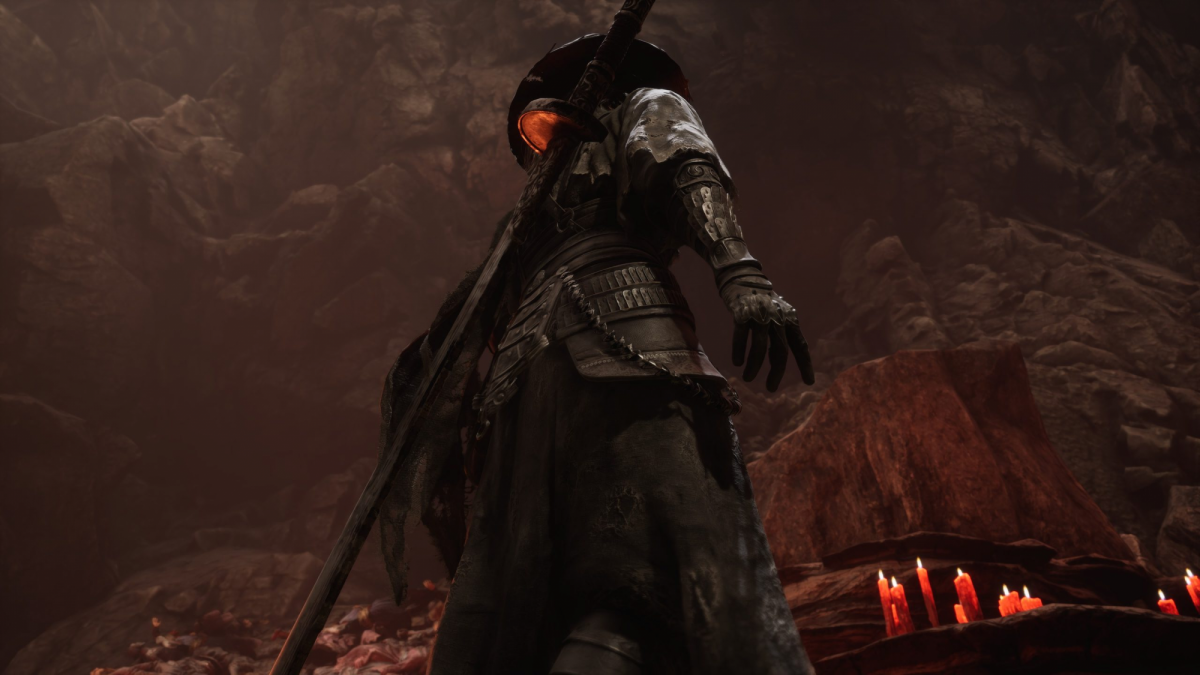
An excellent combat system would not amount to much if players had only a handful of enemies to fight. Fortunately, S-Game has delivered impressive variety in this area as well.
Most opponents in Phantom Blade Zero are human or humanoid, although the adventure occasionally introduces crazed animals, including giant crows and hounds. The eight regions feature their own distinctive enemies alongside familiar opponents from earlier areas. The later regions could have benefited from an even greater variety, but the overall selection remains strong.
Enemy weapons are equally diverse. Soul encounters opponents wielding both conventional arms and more unusual weapons, giving individual fights their own character without abandoning the game's core combat principles.
Focusing primarily on humanoid enemies proves to be a smart decision. Some action games introduce creatures that force players to abandon the mechanics they have spent hours mastering, resulting in encounters that feel disconnected from the rest of the experience.
Phantom Blade Zero avoids this problem. The fundamentals learned in the first region remain useful throughout the adventure, encouraging players to refine their existing skills instead of constantly learning entirely new combat rules whenever a different enemy appears.
Encounter design is just as thoughtful. Other recent action RPGs have sometimes relied on excessive ranged attackers positioned in difficult-to-reach locations or overwhelming numbers of enemies to create artificial difficulty. These encounters can become frustrating when the combat system is not designed to handle them comfortably.
Phantom Blade Zero largely avoids such pitfalls. Ranged enemies are present, but they are not excessively common. When they appear, they create a problem that players must solve without forcing them into a single prescribed strategy.
The same philosophy applies to larger groups of opponents. Soul can occasionally find himself heavily outnumbered, but the combat system provides the tools needed to handle these situations.
Holding Guard allows him to defend against attacks coming from every direction. Weapon swaps and dodges can cancel actions, giving players ways to respond when a fight becomes dangerous. Clear attack indicators also warn of incoming strikes from off-screen enemies.
When surrounded, Soul can unleash attacks that hit multiple opponents at once, maintaining the pace of combat without requiring awkward combinations of inputs. These mechanics help larger encounters remain manageable while preserving the sense of danger.
The game's enemy design reaches its peak in its boss encounters. Phantom Blade Zero features more than 50 bosses, many of them optional, and the vast majority have unique designs and combat mechanics. Only a handful of exceptions, dictated by the story, depart from this approach.
The variety is especially impressive because boss combat often revolves around the distinctive weapons Soul acquires after defeating these formidable opponents. Rather than repeatedly reusing the same encounters, the game gives its major battles their own identities.
These fights are also challenging, particularly on Hellwalker difficulty. Bosses deal substantial damage, have large health pools, and test the player's reactions with attacks marked in blue and red. These attacks require parrying and perfect dodging, respectively, to activate Ghoststep and create a brief opening for a counterattack.
Boss battles place greater emphasis on parrying than regular encounters, but their execution makes them some of the most memorable fights in modern action games. Their visual spectacle and demanding mechanics leave a lasting impression.
Checkpoints between boss phases help make these encounters less punishing for players who are less experienced with action games. However, removing those checkpoints on Hellwalker difficulty would have made the mode more demanding and arguably better suited to its name.
The Beauty of the Wulin
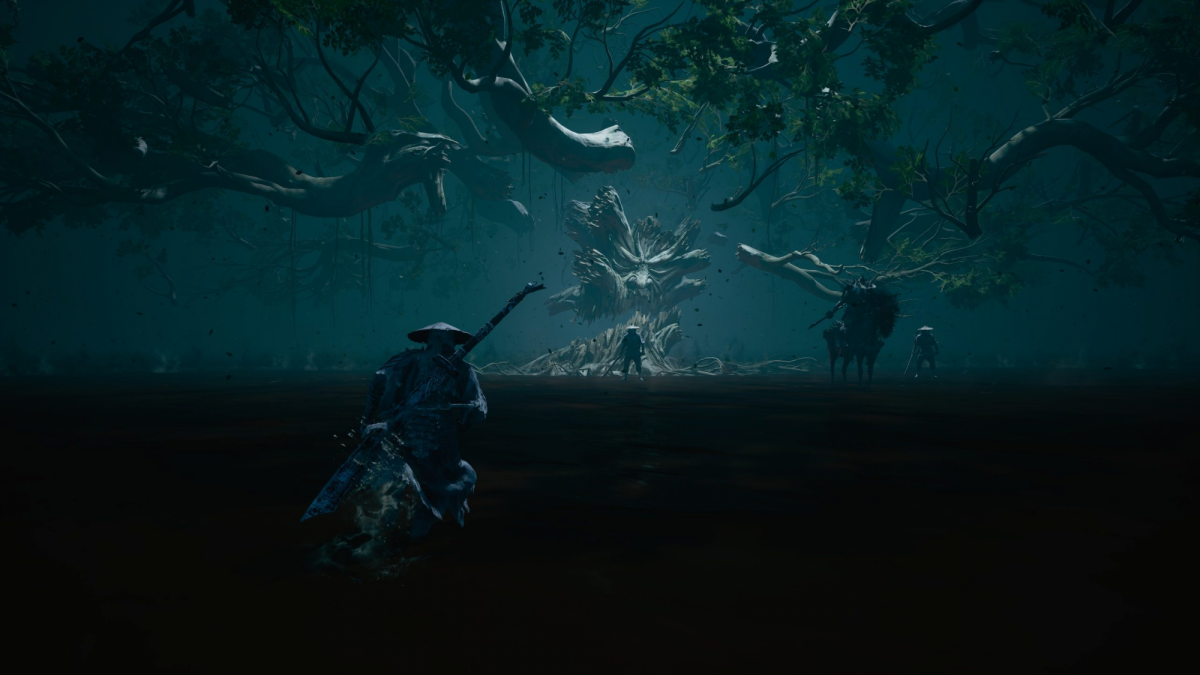
Built on Unreal Engine 5, Phantom Blade Zero is among the most visually impressive games of its generation. Its generally muted color palette complements the Kung Fu Punk aesthetic, while the environments feature striking architecture, atmospheric locations, and occasional vistas that convey an impressive sense of scale.
Not everything visible in the distance can be explored, but the environments still create a convincing world. S-Game's decision to use traditional baked lighting instead of Unreal Engine 5's Lumen appears to have paid off. Even without ray tracing, the game looks exceptional.
This is a particularly sensible choice for a fast-paced action game where stable performance matters. Ray tracing and path tracing can significantly increase the visual quality of a scene, but they also come with a considerable performance cost on PC.
On my test system, equipped with an Intel Core i7-13700F, NVIDIA GeForce RTX 4080, and 32 GB of RAM, performance dropped from around 100 FPS to the high 50s when ray tracing was enabled at 4K resolution, High settings, and NVIDIA DLSS Quality. Enabling path tracing pushed performance down to around 30 FPS.
DLSS Frame Generation can help compensate for the performance loss, but achieving a baseline of 60 FPS with Frame Generation required lowering DLSS Super Resolution to Performance. That compromise was not worthwhile when native performance already exceeded 90 FPS without ray tracing.
Beyond its impressive visuals, the PC version is technically well put together. The game performs a thorough shader pre-compilation process on its first launch, preventing the shader compilation stuttering that can disrupt many modern releases.
Gameplay remains smooth for the most part, although occasional stutters can occur during traversal. These interruptions were minor enough not to become a significant annoyance in my experience, though performance may vary depending on the hardware configuration.
The graphics and technical presentation are only part of the story. As I noted in my previews from 2024 and 2025, the animation work is among the best seen in an action game. The extensive use of motion capture has resulted in exceptionally fluid, natural movement that makes every encounter feel more convincing.
The animation quality is matched by the game's cinematic direction. Legendary martial artist and actor Donnie Yen, who also portrays Mó Yuan, and action director Kenji Tanigaki served as creative consultants and actively contributed to the action choreography.
Their involvement helped S-Game turn Phantom Blade Zero into a visual spectacle without sacrificing the responsiveness and fluidity that make it enjoyable to play. The result sets an extremely high standard for action games.
A Track for Every Occasion
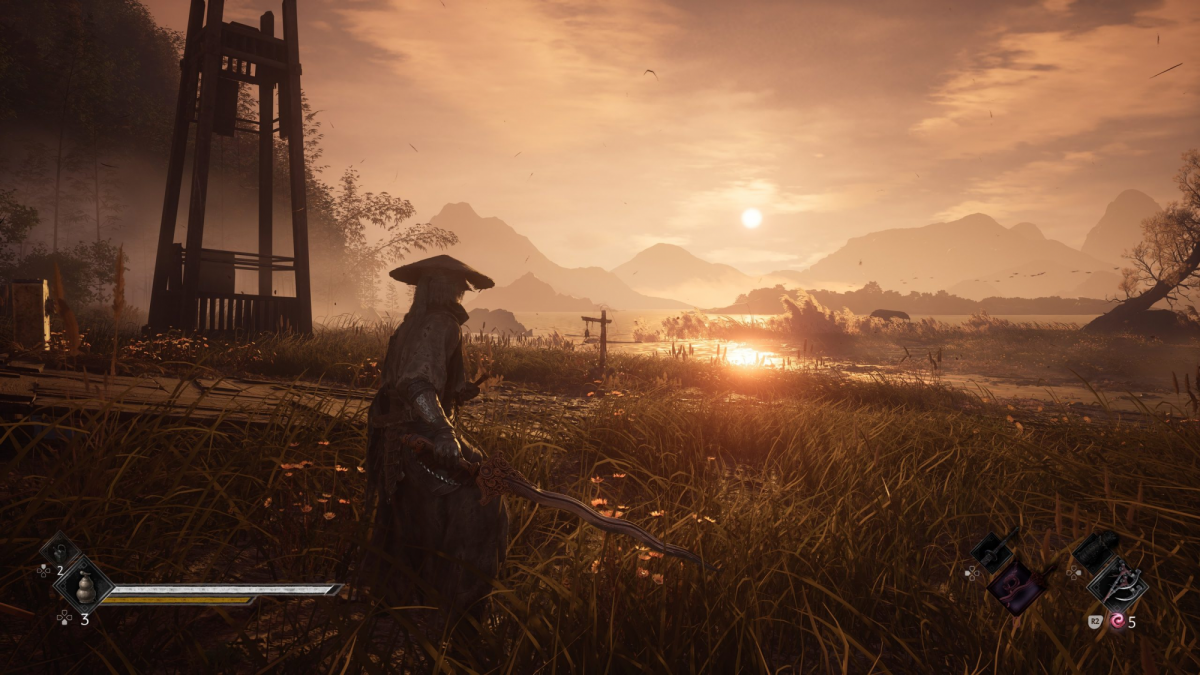
The audiovisual presentation is further strengthened by a surprisingly varied soundtrack. The music adapts to the different moods of Soul's journey, from the unsettling atmosphere of abandoned villages to the adrenaline of a difficult battle and the melancholy of confronting people he cares about while hiding the truth to protect them.
The soundtrack moves naturally between atmospheric compositions, energetic rock tracks, and melancholic pieces featuring Chinese vocals. Rather than serving as background noise, the music helps establish the emotional tone of individual scenes and reinforces the game's distinctive identity.
Unfortunately, the English voice acting is less impressive. The performances are not universally bad, but some lines suffer from awkward delivery and unnecessary pauses that can disrupt otherwise effective scenes.
Given how deeply the game draws on Chinese culture and Kung Fu traditions, the Chinese voice track feels like the more natural choice for most players. Even without understanding the language, its delivery fits the setting and overall atmosphere much better.
Closing Comments
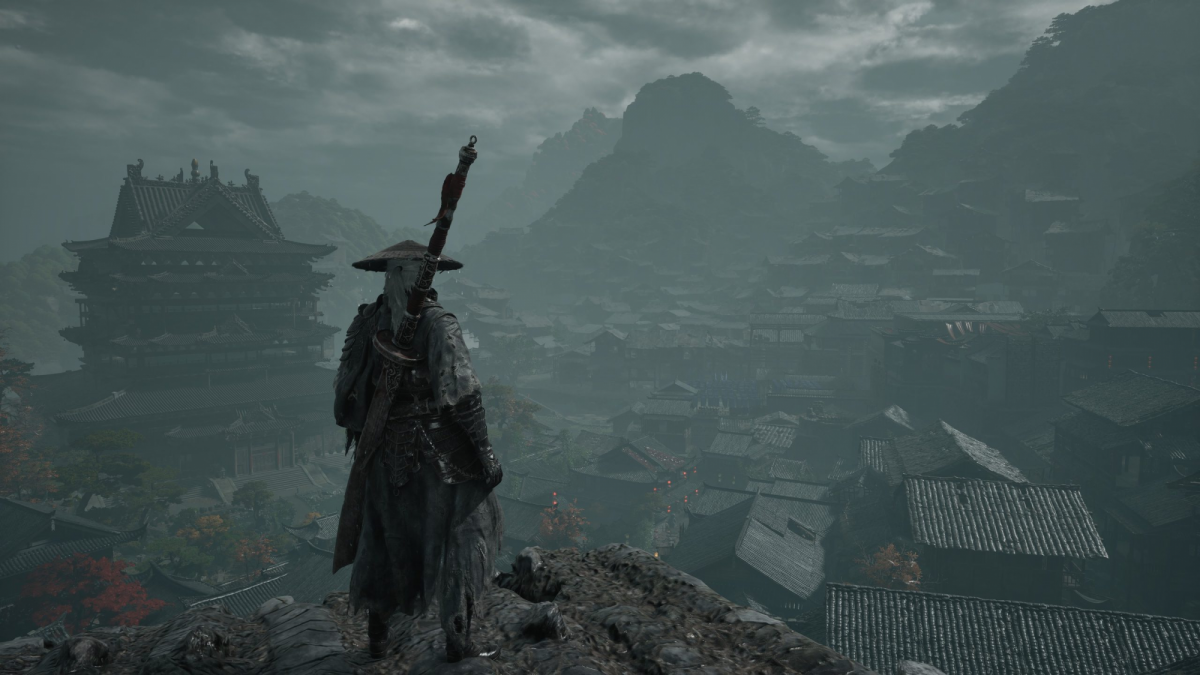
Whenever I play a game that feels like a generational standout, I find myself questioning whether my enthusiasm comes from a personal connection to its mechanics or whether the experience genuinely deserves a perfect 10/10.
For me, there is one particularly useful way to answer that question: when I stop playing, do I immediately want to return?
With Phantom Blade Zero, the answer was consistently yes.
I would have welcomed an option to respawn enemies, as it would have provided more opportunities to experiment with the game's excellent combat system and extensive weapon selection. The story could also have been easier to follow during its opening hours. Nevertheless, neither issue significantly undermines the overall experience.
The game repeatedly made me want to jump back in after putting the controller down, delivering the same feeling I experienced with Elden Ring and Street Fighter 6. For me, that is a strong indication of just how successful S-Game's first major PC and console release is.
Nioh 3 and Onimusha: Way of the Sword are both excellent action games that deserve their high scores this year. However, I believe Phantom Blade Zero stands slightly above them. It may not reinvent the genre from the ground up, but its combat, weapon design, boss encounters, animation, and presentation combine into an experience that is difficult to forget.
PC version tested. Review code provided by the publisher.
Verdict: Phantom Blade Zero is a genre-defining action game and one of the strongest releases of the current console generation. Its fluid combat expertly balances offense and defense, while its carefully designed environments, extensive weapon variety, and unforgettable boss fights make it a remarkable achievement from S-Game.
Pros
-
A fascinating world that blends Kung Fu traditions with steampunk influences.
-
Fluid combat that expertly balances offense and defense.
-
Excellent weapon variety, with upgrade paths that make each weapon more distinctive and effective.
-
Impressive variety in enemies and boss encounters.
-
Stunning visuals.
-
Some of the best animation work seen in video games.
-
A polished technical experience on PC.
-
An excellent soundtrack featuring both atmospheric compositions and high-energy tracks.
Cons
-
The overwhelming terminology and fragmented storytelling make the plot difficult to follow early in the game.
-
The English voice acting can feel stiff and awkward.
-
The lack of enemy respawning limits opportunities to revisit encounters and experiment with the combat system.
Comments